Thinking-with walking in Polish-Jewish Carpathian landscapes
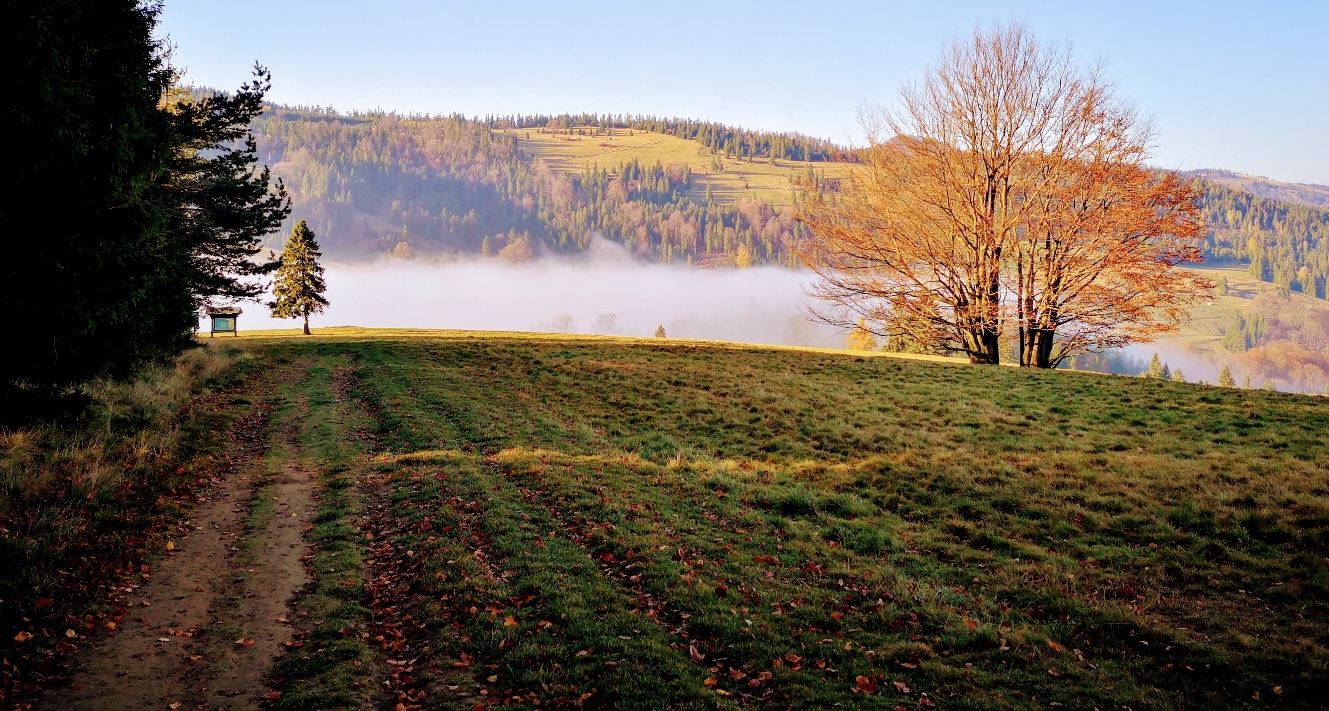
Jewish heritage in South-East Poland is a field of tensions: people who disagree about the past, records that contradict each other, and sites where the traces range from a standing cemetery to nothing at all. Adding more documentation has not resolved any of it. Routes and P(l)aces proposes walking as a way of working inside those tensions.
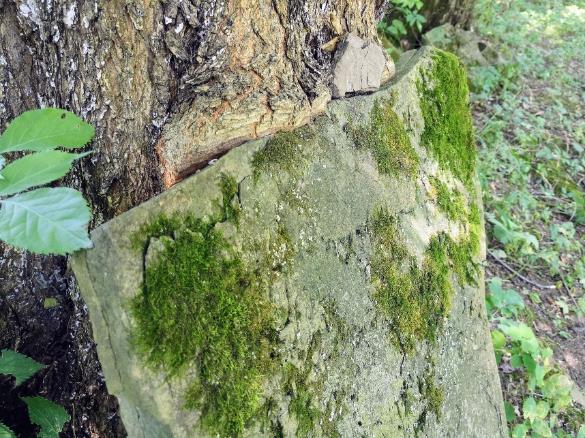
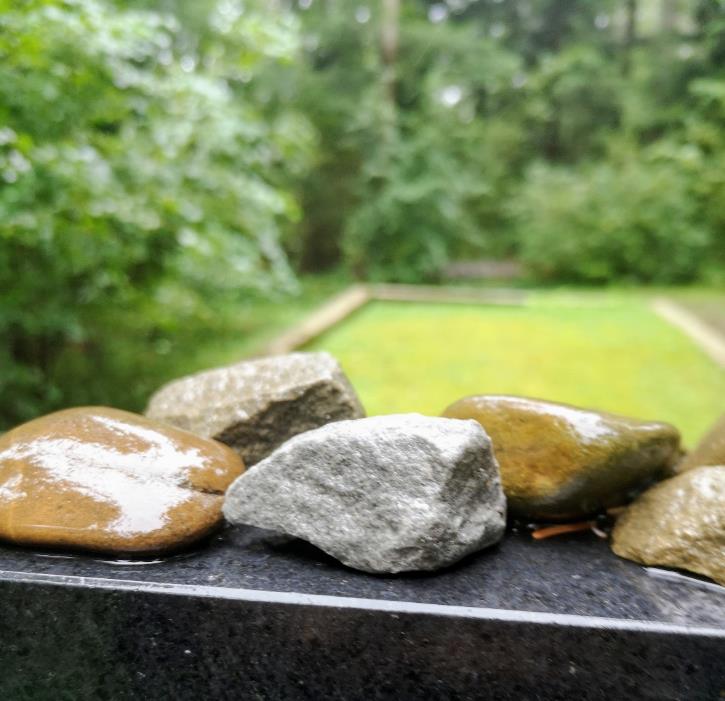
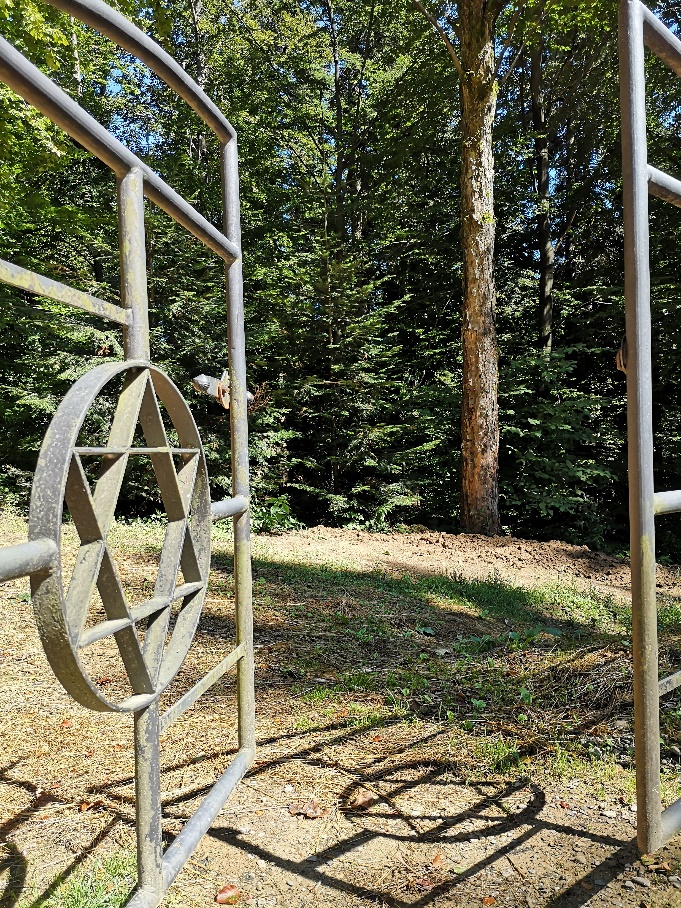
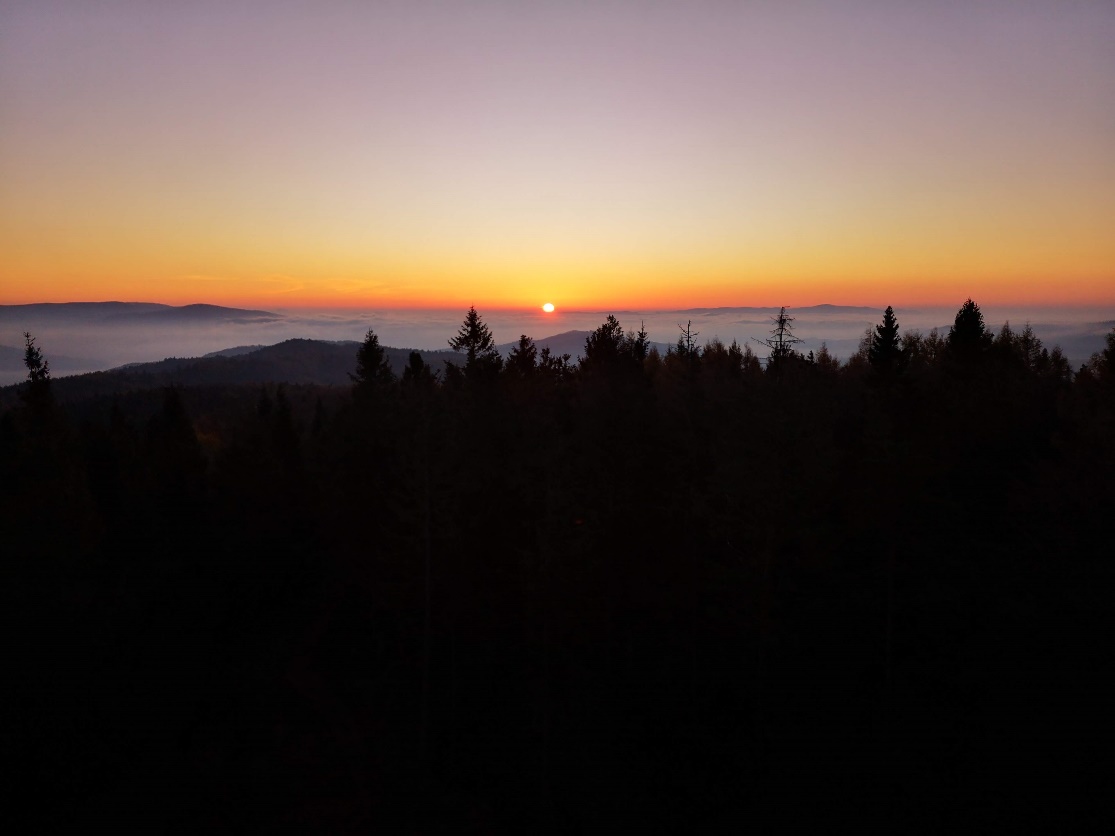
Over five long-distance expeditions on and near the Main Beskids Trail, the trail became the research site. What the archive claims was tested on the ground against what the body meets there: weather, distance, chance encounters, the presence of one site and the absence of another. The walks were documented the way a scenographer documents, through maps, images and notebooks, each treated as a creative act.
The result is a method for heritage work in contested landscapes, one that puts encounter and relationship ahead of settling the facts, and a set of propositions for future walks.
The walks
- Beskid Sądecki I: Krościenko, Piwniczna, Szczawnica. October 2019
- Beskid Sądecki II: Muszyna and Krynica. November 2019
- Beskid Żywiecki: Milówka and Hala Boracza. June 2020
- Bieszczady: Cisna, Ustrzyki Górne. June 2020
- Beskid Niski: Dukla, Zyndranowa, Hałbów, Ropki. August–September 2020
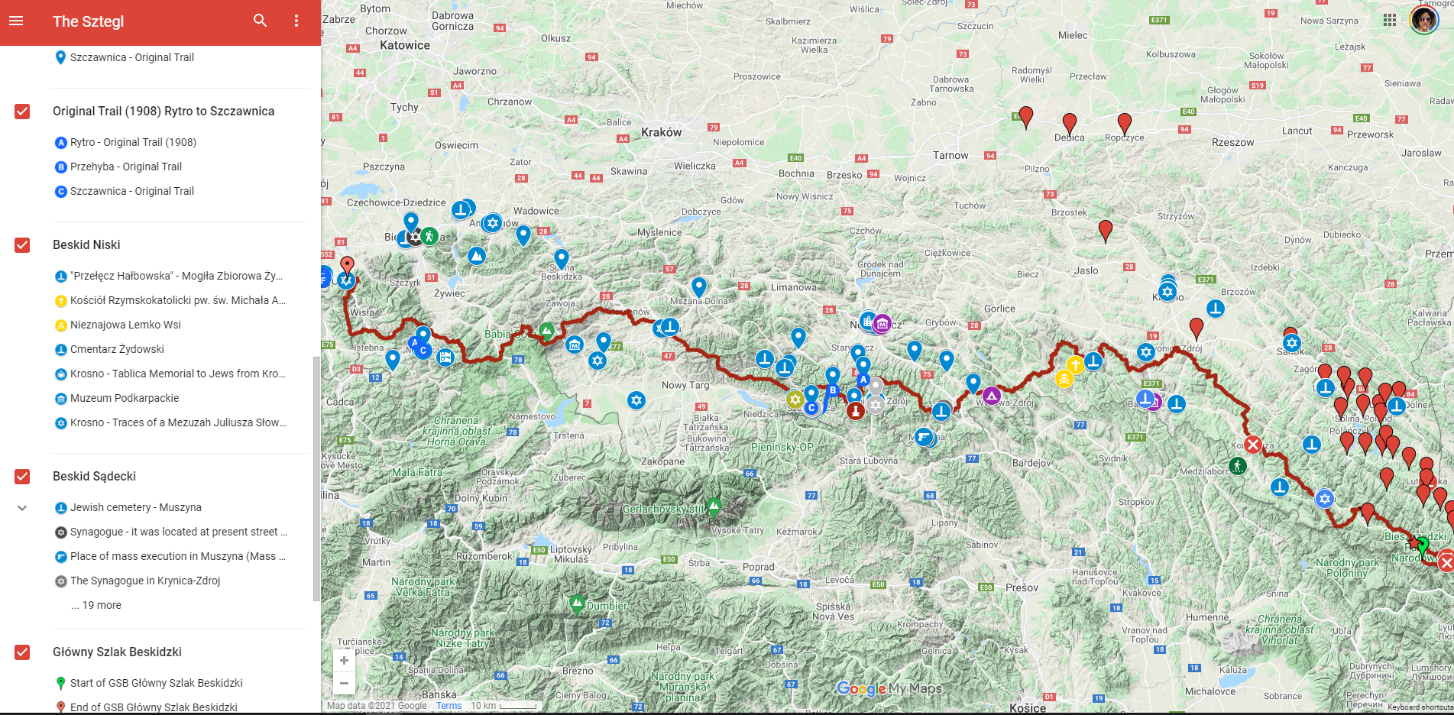
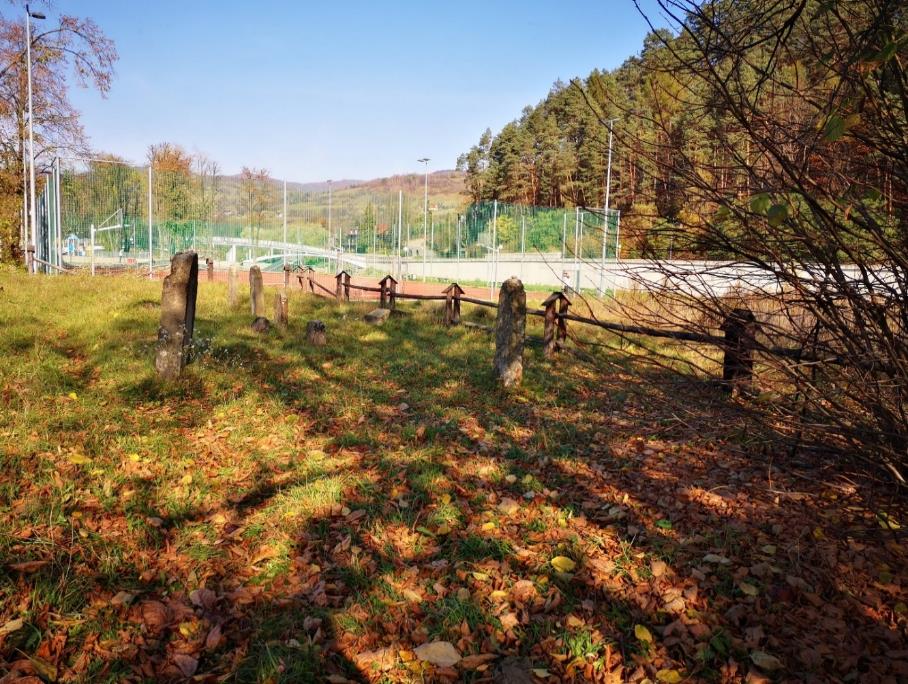
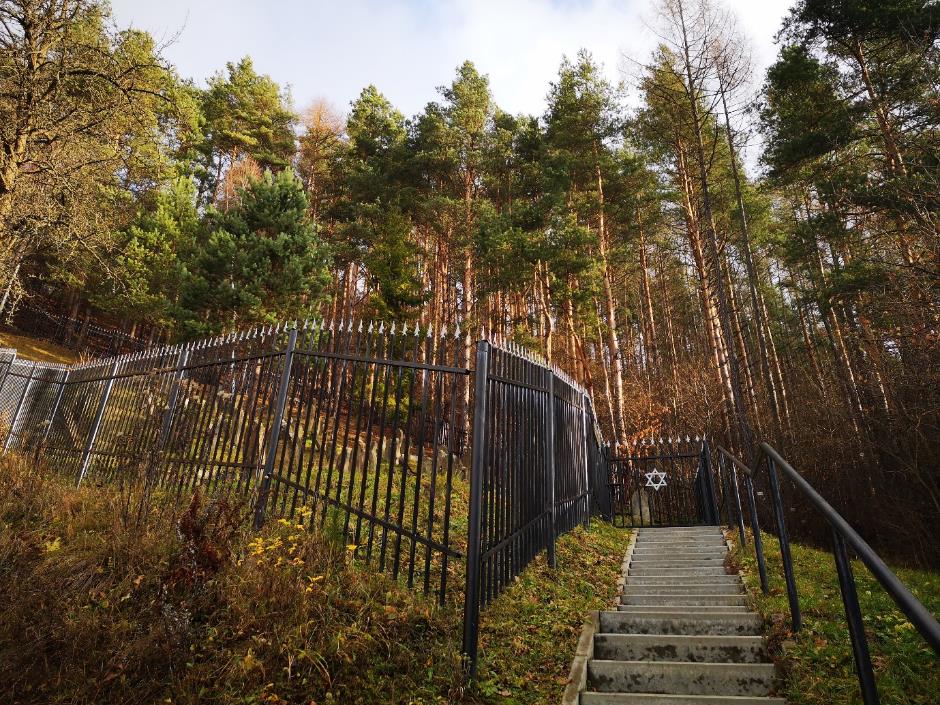
MA thesis, Comparative Heritage Studies, Jagiellonian University, Kraków, 2020.
Before this: FestivALT 2019
Where the research into walks began.
After this: Routes and Places
The method carried to Malvern, Barnes and Cornwall.